
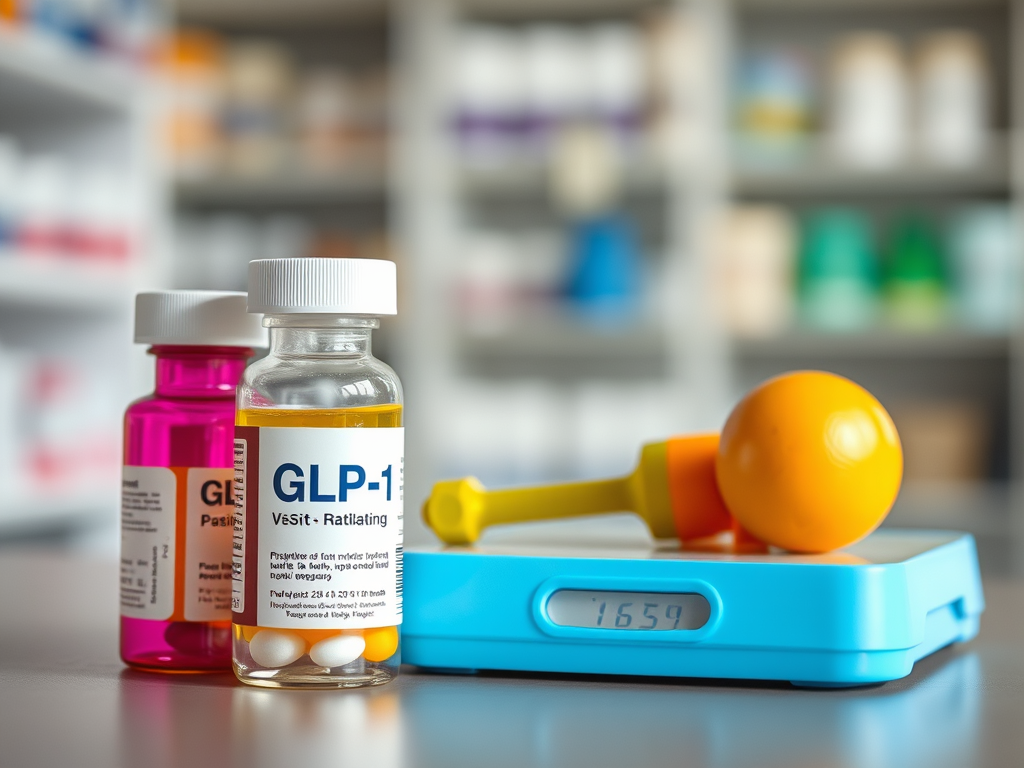
GLP-1 Drugs: Miracle Medicine or a Marketing Gimmick?
By Cap Puckhaber, MarketingSpiritual.com, Reno, Nevada
Lately, GLP-1 (glucagon-like peptide-1) medications have been making headlines, particularly for their newfound fame in weight loss. What started as treatments for diabetes, with medications like Ozempic and Wegovy, are now being touted as the latest weight-loss miracle. As more and more people turn to these drugs to shed pounds, it’s natural to wonder: Are these medications genuinely solving a health crisis, or are they simply the latest trend that pharmaceutical companies are capitalizing on?
Let’s take a closer look at the science and the story behind these meds.
Understanding GLP-1 Drugs
At their core, GLP-1 drugs work by mimicking a hormone in the body that helps regulate blood sugar, suppresses appetite, and slows down digestion. This trio of effects leads to a reduction in hunger and, in turn, weight loss. The FDA has approved these drugs for people who are obese or overweight and struggling with related health conditions like type 2 diabetes or high blood pressure.
For those dealing with obesity, GLP-1 medications offer hope. Clinical trials suggest that these drugs can lead to significant weight loss, even outperforming traditional methods like diet and exercise alone.
But what about the way these drugs are being marketed? Could there be more at play here than just a genuine health breakthrough?
The Fine Line Between Helping and Profiting
The scientific backing of GLP-1 drugs is strong, but the marketing surrounding them is where things start to feel more complicated. Pharmaceutical companies have jumped on this trend, pushing these drugs as the ultimate solution to weight loss. But in doing so, they’ve also leaned heavily into emotional and persuasive marketing strategies, often suggesting that weight loss equals happiness, success, and social approval.
This kind of messaging taps into the cultural obsession with thinness and body image, playing on deep-rooted insecurities. It’s a common tactic used by industries everywhere, and now it seems that the pharmaceutical world is no different. The question arises: Are we dealing with a genuine health advancement, or is this just another way to profit from people’s desires for quick fixes?
Are GLP-1 Drugs Just Like Gym Memberships?
A striking parallel can be drawn between GLP-1 medications and gym memberships. Both are marketed as tools for achieving a better version of ourselves. Gym memberships, much like these drugs, promise transformation and often come with a sense of exclusivity or urgency. But we know that without consistent effort and lifestyle changes, simply having a gym membership doesn’t guarantee results.
Similarly, while GLP-1 drugs can aid in weight loss, they aren’t a silver bullet. Without committing to a healthier lifestyle that includes balanced eating and regular exercise, the weight loss achieved from these medications could be fleeting. And like any drug, GLP-1 medications carry potential side effects—ranging from mild stomach discomfort to more severe issues like pancreatitis or thyroid problems. The question then becomes: are we fully aware of these risks, or are they being downplayed in the pursuit of sales?
Are GLP-1 Drugs the Solution to the Obesity Crisis?
Obesity is a complex, growing issue, and its related health problems—like heart disease, diabetes, and high blood pressure—are taking a heavy toll on individuals and society at large. In this context, GLP-1 drugs may offer a breakthrough for those who’ve tried and failed with traditional weight loss methods. For some, they might be the most effective way to manage their weight.
However, it’s crucial to remember that these drugs should not be seen as a one-size-fits-all solution. They are a tool, not a cure. To truly tackle obesity, they must be used alongside long-term lifestyle changes, including better nutrition, exercise, and mental health support.
The Danger of “Quick Fix” Mentality
The rise of GLP-1 drugs raises an important ethical question: are we treating the symptom of obesity—excess weight—without addressing the root causes? Weight management is not just about taking a pill or losing pounds quickly. It’s about making sustainable, healthy choices for the long term.
What concerns some health experts is that the marketing of these drugs might promote a quick-fix mentality, without educating consumers on the importance of a holistic approach to health. Much like the trend of quick weight-loss solutions in the past—think fad diets or detox teas—GLP-1 drugs may give people the false impression that they don’t need to make lasting changes to their diet or lifestyle. And without those changes, the weight could easily return, leaving individuals stuck in a cycle of temporary solutions.
Striking a Balance
As with any emerging treatment, it’s important to approach GLP-1 medications with caution and perspective. These drugs hold promise, but they are not magic pills. Their success lies in how they’re used—whether as part of a comprehensive plan that includes better nutrition, exercise, and mental well-being.
For consumers, understanding the full scope of the risks and benefits is key. It’s essential to not rely solely on the medication but to integrate healthy lifestyle changes for lasting results. For marketers and pharmaceutical companies, there is a responsibility to communicate transparently and ethically about these drugs, emphasizing their role as one part of a broader health strategy.
Conclusion: A Modern Miracle or a Marketing Mirage?
So, are GLP-1 medications the breakthrough solution to the obesity epidemic, or are they just the latest trend in a long line of weight-loss gimmicks? The answer likely lies somewhere in between. The science behind GLP-1 drugs is legitimate and offers hope for those who need help managing their weight. However, the aggressive marketing and portrayal of these drugs as miracle solutions may be setting people up for unrealistic expectations.
As with any medical treatment, it’s essential for consumers to make informed decisions, fully understanding both the benefits and potential risks. The challenge moving forward will be finding a balance between using GLP-1 medications as part of a healthier lifestyle, without falling into the trap of thinking that weight loss can be achieved without real, lasting effort.
Thanks for reading! At Marketing Spiritual, we value honesty and integrity, and we hope this discussion gave you a fresh perspective on the role of GLP-1 medications in the weight-loss conversation. Stay tuned for more insights into the world of ethical marketing and health trends.
Check out The Ethical Responsibility of Food and Drug Manufacturers
Read The Rise of Wellness Apps: Mindfulness or Marketing? by Cap Puckhaber
Check out FDA Bans Red No. 3: A Win for Transparency in Food Marketing
More Blogs from Cap Puckhaber

Follow Cap Puckhaber on Social Media
- Connect with Cap Puckhaber on Facebook
- See Cap Puckhaber’s latest adventures on Instagram
- Read Cap Puckhaber’s thoughts on X
- Join the conversation on Threads
- Follow Cap Puckhaber on Mastodon
- Browse my Pins on Pinterest
- See my Marketing Articles on Medium
- Follow Cap Puckhaber’s Company Page on LinkedIn
- Check out Cap Puckhaber on BlueSky
- Follow Cap Puckhaber on Substack


Cap Puckhaber
Backpacker, Marketer, Investor, Blogger, Husband, Dog-Dad, Golfer, Snowboarder
Cap Puckhaber is a marketing strategist, finance writer, and outdoor enthusiast from Reno, Nevada.
He writes across CapPuckhaber.com, TheHikingAdventures.com, SimpleFinanceBlog.com, and BlackDiamondMarketingSolutions.com.
Follow him for honest, real-world advice backed by 20+ years of experience.