
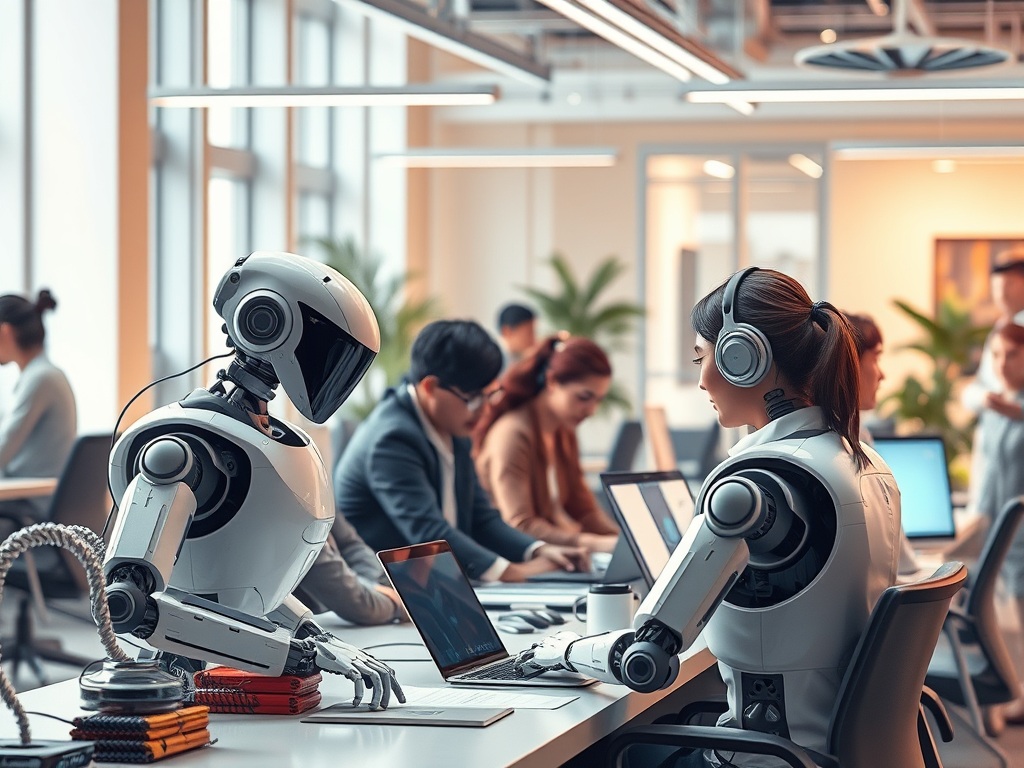
How to Foster a Healthy Workplace in the Age of AI
By Cap Puckhaber, MarketingSpiritual.com, Reno, Nevada
The rise of robots and artificial intelligence (AI) in the workplace is transforming industries at an unprecedented rate. A recent report revealed that automation could save Amazon $10 billion annually—highlighting the immense financial benefits of incorporating robots into business operations. However, while automation offers tremendous opportunities for growth and efficiency, it also raises important questions about the future of human workers. How can businesses and managers foster a healthy work environment in an era where machines are increasingly taking on tasks traditionally performed by people? The answer lies in preparing employees for this shift. Helping them develop new skills that complement automation is key. Creating an inclusive, supportive culture for growth will also be important.
1. Prioritize Reskilling and Upskilling
One of the most critical actions businesses can take is investing in reskilling and upskilling programs for their employees. As AI and robots take over repetitive, mundane tasks, there is a growing demand for human workers to handle more complex and creative roles. These are roles that machines can’t easily replicate. To ensure employees remain valuable assets to the company, business owners should focus on training programs. This approach helps workers develop new skills—particularly in areas such as problem-solving, leadership, emotional intelligence, and strategic thinking.
Reskilling could involve offering formal educational programs, certifications, or workshops that equip employees with the necessary tools to thrive in an AI-powered environment. For example, training employees to work alongside AI tools or manage and maintain automated systems can open up new career pathways. In this way, automation doesn’t replace jobs; rather, it shifts workers into roles requiring human intuition. Creativity and critical thinking are qualities AI still struggles to replicate.
2. Create a Collaborative Environment Between Humans and Machines
Rather than viewing AI and robots as competitors to human workers, businesses can frame them as collaborators. Managers can foster a healthy workplace by encouraging a mindset shift. AI and automation aren’t here to replace workers. Instead, they are here to enhance productivity and improve overall business operations. By integrating robots into the workflow, businesses can free up human workers. This allows them to focus on tasks that require emotional intelligence, strategic decision-making, and customer relations. In these areas, humans still excel.
Creating a collaborative environment where employees can work alongside robots can help ease any concerns about job displacement. Managers can encourage employees to view automation as a tool that amplifies their strengths. It should not be seen as a force that renders their work irrelevant. Providing opportunities for employees to experiment with new technologies is essential. Such experiences can boost their confidence and help them embrace changes.
3. Foster a Culture of Continuous Learning
The world of work is evolving rapidly, and businesses that want to remain competitive must promote a culture of continuous learning. This culture should emphasize curiosity, adaptability, and innovation. By encouraging employees to continually learn and stay updated with the latest technological advancements, businesses can prepare their workforce for the inevitable changes automation will bring.
Business owners can create internal learning hubs, offer online courses, or host guest speakers and workshops to inspire employees. They can then develop their skills and embrace new technologies. Additionally, leaders should communicate openly with employees about how automation will affect their roles. They should also explain what skills will be necessary for future growth. Transparent communication and access to resources are key in ensuring that employees feel supported and empowered. This helps them navigate the evolving landscape of work.
4. Provide Support for Mental and Emotional Well-Being
As automation and AI reshape industries, it’s important to acknowledge the mental and emotional challenges that may arise. Workers may feel anxious about job security or uncertain about their future in a more automated environment. To foster a healthy workplace, businesses should prioritize mental health. Offering support through counseling, stress management programs, and open channels for communication can be beneficial.
Managers should be proactive in addressing any fears or concerns employees may have. Encouraging a supportive environment, where employees feel heard and valued, can ease the transition into an AI-driven world. Offering regular check-ins, creating a feedback loop, and providing resources for personal development can help employees stay motivated and engaged during times of change.
Conclusion
The introduction of robots and AI into the workplace presents an exciting opportunity for businesses to enhance efficiency, reduce costs, and unlock new levels of productivity. However, to ensure a healthy and thriving work environment, business owners and managers must invest in reskilling and upskilling employees, promote collaboration between humans and machines, foster a culture of continuous learning, and support the mental well-being of their workforce. By taking these steps, businesses can not only navigate the challenges of automation but also create a resilient, forward-thinking workplace that thrives in the age of AI.
Thank you for taking the time to read this post! At Marketing Spiritual, we believe in fostering a community of marketers who prioritize honesty, transparency, and integrity in all aspects of their work. We hope you found the insights valuable and thought-provoking.
Make sure to check back regularly for new blog posts, where we continue to explore important topics and share practical tips for navigating the ever-evolving world of marketing with a focus on ethical practices. Stay tuned for more from Cap Puckhaber on how to make your marketing not just effective, but also meaningful and authentic!
Thanks again for being a part of our journey—see you soon!
Read The “Great Stay”: How It’s Reshaping the Modern Workforce
Check out A Responsible Approach for Using AI in Marketing
Read How to Build a Sangha in the Workplace: Fostering Community
More Blogs from Cap Puckhaber

Follow Cap Puckhaber on Social Media
- Connect with Cap Puckhaber on Facebook
- See Cap Puckhaber’s latest adventures on Instagram
- Read Cap Puckhaber’s thoughts on X
- Join the conversation on Threads
- Follow Cap Puckhaber on Mastodon
- Browse my Pins on Pinterest
- See my Marketing Articles on Medium
- Follow Cap Puckhaber’s Company Page on LinkedIn
- Check out Cap Puckhaber on BlueSky
- Follow Cap Puckhaber on Substack


Cap Puckhaber
Backpacker, Marketer, Investor, Blogger, Husband, Dog-Dad, Golfer, Snowboarder
Cap Puckhaber is a marketing strategist, finance writer, and outdoor enthusiast from Reno, Nevada.
He writes across CapPuckhaber.com, TheHikingAdventures.com, SimpleFinanceBlog.com, and BlackDiamondMarketingSolutions.com.
Follow him for honest, real-world advice backed by 20+ years of experience.