
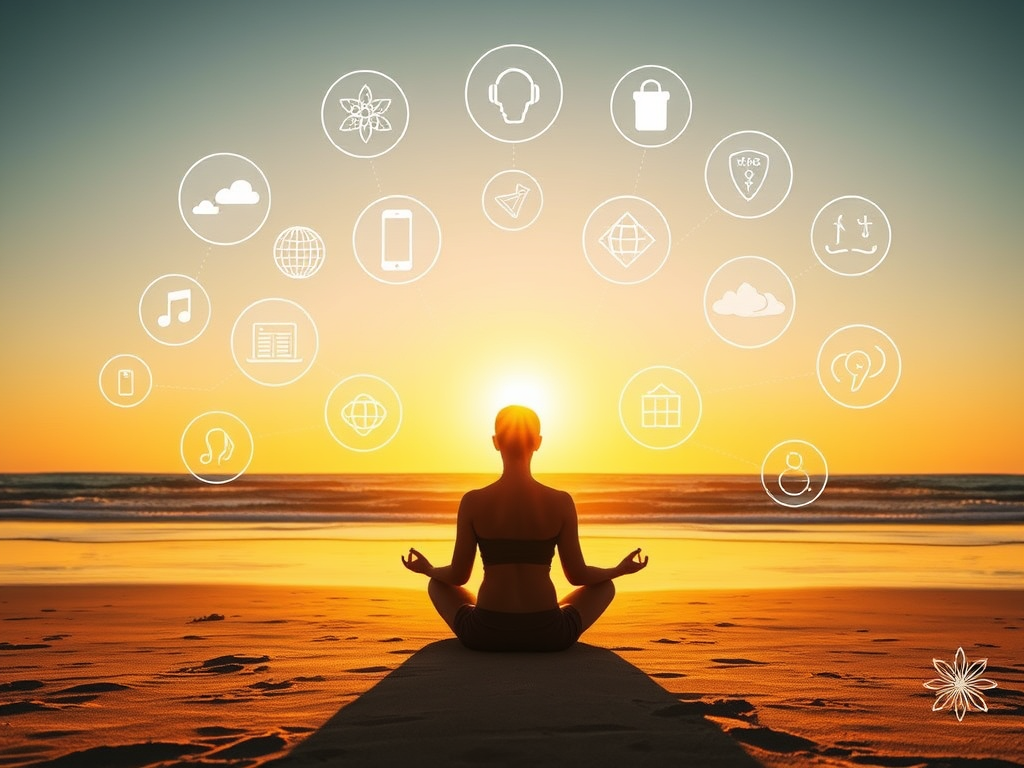
Rise of Wellness Apps: My Honest Look at the Digital Wellness Shift
By Cap Puckhaber, MarketingSpiritual.com, Reno, Nevada
I remember when the idea of a wellness app sounded like science fiction to most of us. You just didn’t think about managing your deepest anxieties through a glowing screen in your pocket. Because technology moved so fast, we now have thousands of options promising to fix our stress with a single tap. I have watched this market explode into a billion dollar industry that touches almost every part of our lives. But I often wonder if we are actually getting healthier or just getting better at scrolling.
Wellness apps usually start as simple tools to help you meditate or breathe better. Many people use them to add a little peace to a very loud and busy day. I have heard friends describe these notifications as digital lifelines when work gets too intense. Since they are always there, they offer a kind of support that a doctor in an office simply cannot provide at three in the morning. However, there is a big difference between a breathing exercise and a real therapy session.
I want to explore whether these tools are truly helping or if they are just clever marketing. Some folks think these apps will eventually replace the person on the couch. I don’t think it’s that simple, but the data shows we are changing how we seek help. Because I have seen both sides, I want to talk about the good, the bad, and the weird parts of this tech. We should understand what we are actually buying when we hit that download button.
The Reality of Access and Cost
Traditional therapy is often too expensive for the average person to afford every week. I know many people who want help but can’t justify the high hourly rates. Because of this, free or cheap apps look like a great alternative for someone on a budget. They remove the financial wall that keeps so many people from improving their lives. While a subscription might cost ten dollars a month, a single therapy session can easily cost twenty times that.
Accessibility goes beyond just the money in your bank account. I have talked to people in rural areas who would have to drive two hours just to see a counselor. Apps solve this problem by bringing the support directly to your living room or office. You don’t have to worry about childcare or taking time off from your job. Since you can use them anywhere, the physical barriers to mental health care are basically gone.
I also appreciate the privacy that a mobile device offers to a new user. Many people still feel a lot of shame about walking into a mental health clinic. They worry about who might see them in the waiting room or what their neighbors might think. With an app, nobody has to know you are working on your mental fitness. But I have to warn you that this anonymity can sometimes be a double edged glass.
Why Apps Aren’t Always the Answer
I once tried to use a popular meditation app during a particularly rough month. It kept sending me “happy” quotes that felt totally wrong for what I was actually feeling. Because the software doesn’t know me, it couldn’t adjust to my specific situation or my history. A real therapist would have seen the look on my face and changed their approach immediately. The lack of a human connection is the biggest hurdle these digital platforms face.
Personalization is a word that marketers love to throw around in their ads. They claim the app learns your habits and gives you exactly what you need. But I find that most of these tools are still very generic and follow a rigid script. They can’t offer the witty or expressive feedback that makes a human relationship so valuable. If you are going through a complex crisis, a pre-recorded voice isn’t going to cut it.
I also worry about the risk of people using these tools for the wrong reasons. Because they are so easy to get, some might use them to avoid dealing with serious issues. If you have a severe clinical condition, a wellness app is not a safe replacement for medical care. I have seen folks try to “app away” deep trauma, which usually just leads to more frustration. You wouldn’t use a fitness app to fix a broken leg, right?
The Role of Professional Guidance
I have read a lot of research about how these apps are actually built. It turns out that many of them don’t have enough input from real doctors or psychologists. While they look pretty and run smoothly, the science behind them can be a bit thin. I think it’s important to check who is actually writing the content you are consuming. Because if there is no professional oversight, you might be following advice that isn’t actually safe.
Self-help strategies have been around for a long time, but they have limits. Most experts agree that these tools work best when they support, not replace, a doctor. I like the idea of using an app to track my mood between my regular therapy sessions. That way, I have more data to share with my therapist when I finally see them. But relying on the app alone feels like trying to build a house with only a hammer.
We also have to think about the business models behind these companies. They are often backed by big investors who want to see a return on their money. This can lead to features that are designed to keep you clicking rather than getting you better. I have seen apps that use “streaks” and “badges” to make you feel guilty if you miss a day. That kind of pressure is usually the last thing a stressed person needs.
Spirituality in the Digital Age
I am Cap Puckhaber, and I have seen how our spiritual lives are shifting online too. It isn’t just about clinical health anymore, because people are looking for deeper meaning. Apps like Headspace and Calm have paved the way for more niche spiritual tools. You can now find apps for prayer, astrology, or even energy healing with a quick search. These platforms help people stay connected to their beliefs in a very fast world.
I think it’s great that we can carry our spiritual practices in our pockets. Whether you want to read scripture or check your birth chart, it’s all right there. This makes it much easier to stay consistent with your personal growth goals. Since we are always on our phones, we might as well use them for something that feeds our souls. However, we should still be careful about how much of our identity we give to an algorithm.
I have noticed that younger people are especially drawn to these holistic options. They want something that feels more personal than a traditional religious service. Apps like Co-Star use data to give people insights that feel very specific to their lives. But I always tell people to take these digital readings with a grain of salt. A computer program can’t replace the wisdom of a mentor or a community.
Workplace Wellness and Management
I believe that managers have a huge role to play in this conversation. Since most of us spend our best hours at work, our jobs should support our health. Many companies are now giving out free subscriptions to wellness apps as a benefit. This is a good start, but it shouldn’t be the only thing they do. Because a free app won’t fix a toxic work culture or an impossible workload.
I suggest that bosses encourage real breaks where people can actually unplug. If you give someone an app but then expect them to answer emails all night, the app is useless. Managers should create an environment where it’s okay to talk about mental health without fear. This builds a culture of trust and respect that helps everyone perform better. I have seen teams transform just by adding ten minutes of quiet time to their morning meetings.
Supporting diverse beliefs is another key part of being a good leader. Not everyone wants to meditate, and some might prefer time for traditional prayer. An inclusive workplace respects all these different paths to wellness. I think it’s important to offer a variety of tools so that every employee finds something that fits. When people feel seen as whole humans, they are much more engaged in their work.
Marketing with Integrity and Heart
I have spent a lot of time thinking about how these apps are sold to us. Marketing in the wellness space should be about more than just making a quick buck. Because we are dealing with people’s emotions and spirits, we have to be extra careful. I believe that authenticity is the most important tool for any wellness brand. If you don’t actually care about your users, they will eventually figure it out.
I always tell marketers to focus on making real emotional connections. Don’t just list a bunch of features or use buzzwords that don’t mean anything. Show how the app can actually help someone feel more centered or less alone. Using real stories from real users is a great way to build that trust. People want to see that your tool has made a positive difference in a life like theirs.
I also think transparency is a big deal when it comes to data and privacy. Users need to know exactly what is happening with their personal information. If you are tracking their moods or their prayers, you better be keeping that data safe. I won’t use an app if I don’t feel like I can trust the people behind it. Good marketing should make the user feel safe, not like they are being watched.
Choosing the Right Path for You
I know that the sheer number of apps can feel very overwhelming at times. If you are looking for a tool, I suggest starting with your own goals. Do you want to sleep better, or are you looking for a way to manage deep grief? Because different apps are built for different things, you need to find the right match. I like to try out a few free versions before I commit to a full subscription.
I also recommend checking the user interface and how the app actually feels. If the design is cluttered or annoying, you probably won’t use it for very long. Look for something that feels intuitive and easy to navigate every day. Some apps have great community features that let you connect with other users. If you like sharing your journey with others, those can be very helpful.
I want to remind you that it’s okay to put the phone down sometimes too. No app can replace the feeling of a walk in the woods or a long talk with a friend. I use technology as a tool to help me get back to the real world. If an app makes you feel more anxious about your “progress,” it might be time to delete it. Trust your own gut when it comes to what makes you feel healthy.
The Future of Tech and Therapy
I think we are going to see even more AI and virtual reality in the mental health space. Some people are already talking to chatbots that are designed to act like therapists. While this sounds a bit scary, it could help a lot of people who have no other options. I am curious to see if these bots can ever truly understand the human experience. Because there is a special magic in a human voice that a machine might never catch.
I hope that technology will continue to make care more affordable for everyone. We have a long way to go before mental health services are available to all. But these apps are a step in the right direction if we use them wisely. I want to see more collaboration between tech companies and medical professionals. That way, we get tools that are both innovative and scientifically sound.
I also look forward to seeing more diverse voices in the app market. We need tools that reflect the experiences of people from all different backgrounds. Spirituality and wellness look different for everyone, so our apps should too. I will keep watching this space and sharing what I learn along the way. Because at the end of the day, we are all just trying to find a little more peace.
My Mistake with Digital Detox
I once thought I could fix my burnout by downloading five different wellness apps at once. I had one for sleep, one for meditation, one for fitness, and two for tracking my mood. Because I was so focused on hitting my daily goals in each app, I actually got more stressed out. I spent more time checking my phone than actually resting or being present. It was a classic case of trying to use the very thing that was hurting me to heal me.
I eventually realized that I was just adding more digital clutter to my life. I had to delete all of them and start over with just one tool that actually worked for me. I learned that more isn’t always better, especially when it comes to your mental health. Now, I am much more selective about what I allow onto my home screen. I treat my digital space like my physical home and keep it as clean as possible.
I tell this story because I want you to avoid the same trap. Don’t feel like you need a dozen different tools to be “well.” Pick one or two that truly resonate with you and stick with them. Because the best tool is the one that you actually use and that makes your life feel lighter. If it feels like a chore, then it isn’t the right tool for you.
Connecting with Reliable Sources
I think it’s important to look at what the experts are saying about these trends. If you want to dive deeper into the business side of wellness, check out Forbes. They have some great articles on how the mental health tech market is changing. I also find that Marketing Week offers excellent insights into the ethics of wellness branding. These sources can help you see the bigger picture beyond just the app store description.
I also recommend looking at official health sites to see how they rank different digital tools. Some organizations are now providing ratings based on clinical evidence and privacy standards. This can help you separate the useful apps from the ones that are just good at marketing. Because your mental health is too important to leave to chance or a flashy ad. I always do my homework before I give an app my time or my money.
I hope this guide has given you some things to think about as you navigate the digital wellness world. Whether you are a user, a manager, or a marketer, we all have a part to play. I believe that technology can be a force for good if we stay mindful of its limits. I am excited to see where this journey takes us as we keep seeking balance. Thank you for joining me on this exploration of our digital and spiritual lives.
Frequently Asked Questions
Can a wellness app really replace a human therapist?
I don’t think an app can fully replace a human therapist because machines lack true empathy and intuition. While apps are great for building habits or managing mild stress, they can’t handle complex trauma or severe crises. A therapist provides a unique relationship that adapts to your specific needs in real time. Use apps as a helpful supplement, but seek a professional if you are dealing with significant mental health challenges.
Are these wellness apps safe for my personal data?
I have found that many apps have different levels of privacy, so you must read the fine print. Some apps share your data with advertisers or third parties to make money. I suggest looking for apps that are clear about their encryption and data protection policies. If an app doesn’t tell you how they use your info, it is usually a sign to stay away. Always check your settings to see what permissions you are giving to the software.
How do I know if a wellness app is worth the money?
I usually look for apps that offer a free trial period so I can test the features myself. You should also check for clinical backing or if real mental health experts were involved in the design. Read reviews from other users, but look for specific details rather than just star ratings. If the app helps you stay consistent with your goals and feels good to use, it might be worth the investment. But remember that many great resources are also available for free.
What is the best way for a boss to introduce wellness apps at work?
I recommend offering apps as an optional benefit rather than making them a requirement. Bosses should explain why they are providing the tool and how it can help with daily stress. It is also vital to ensure that using the app is completely private and that no data is shared with the company. A good manager leads by example and shows that they value health as much as productivity. Pair the app with real changes like better break times for the best results.
Do wellness apps actually help with anxiety and depression?
I have seen research showing that some apps can significantly reduce symptoms of mild anxiety and stress. They often use techniques like cognitive behavioral therapy to help you change your thought patterns. However, the effects can vary greatly from person to person and depend on how often you use the tool. They are most effective when used alongside other healthy habits like exercise and sleep. For clinical depression, an app should only be used as part of a larger treatment plan managed by a doctor.
Are there apps that focus on spiritual growth specifically?
I know there are many apps now that cater to specific spiritual paths, from prayer to astrology. These tools help you stay connected to your faith or personal beliefs throughout the day. They often include community features so you can feel less alone in your spiritual journey. Since spirituality is a personal thing, you should find an app that aligns with your own values. Whether you want secular mindfulness or religious study, there is likely an app built for you.
Read What Is Spiritual Washing (And How to Avoid It) by Cap Puckhaber
Check out GLP-1 Drugs: Miracle Medicine or a Marketing Gimmick?
Read Data Responsibility: The Ethical Duty of Brands in the Digital Age
More Blogs from Cap Puckhaber

Follow Cap Puckhaber on Social Media
- Connect with Cap Puckhaber on Facebook
- See Cap Puckhaber’s latest adventures on Instagram
- Read Cap Puckhaber’s thoughts on X
- Join the conversation on Threads
- Follow Cap Puckhaber on Mastodon
- Browse my Pins on Pinterest
- See my Marketing Articles on Medium
- Follow Cap Puckhaber’s Company Page on LinkedIn
- Check out Cap Puckhaber on BlueSky
- Follow Cap Puckhaber on Substack


Cap Puckhaber
Backpacker, Marketer, Investor, Blogger, Husband, Dog-Dad, Golfer, Snowboarder
Cap Puckhaber is a marketing strategist, finance writer, and outdoor enthusiast from Reno, Nevada.
He writes across CapPuckhaber.com, TheHikingAdventures.com, SimpleFinanceBlog.com, and BlackDiamondMarketingSolutions.com.
Follow him for honest, real-world advice backed by 20+ years of experience.